


When forming a post-quantum strategy, organizations should take a holistic approach and consider discovery, prioritization, and crypto agility first. A critical step toward successful migration to post-quantum cryptography is focusing on discovery and gaining visibility into all cryptographic assets used across the enterprise, what they protect, and the business risk of exposing protected resources.
While the availability of commercially viable, large-scale cryptographically relevant quantum computers (CRQC) that can be used to conduct quantum attacks may still be a few years away, the security threats are immediate. The reason is simple: Attackers don't need a quantum computer today to create a quantum security problem tomorrow.
Organizations should be increasingly concerned about threats such as harvest now, decrypt later (HNDL) attacks, where adversaries obtain sensitive data that have long-term business value but are protected using cryptography algorithms (e.g. RSA, ECC). These attacks were previously considered challenging to execute by adversaries, but with the looming availability of quantum computing, the risk for sensitive data exposure grows.
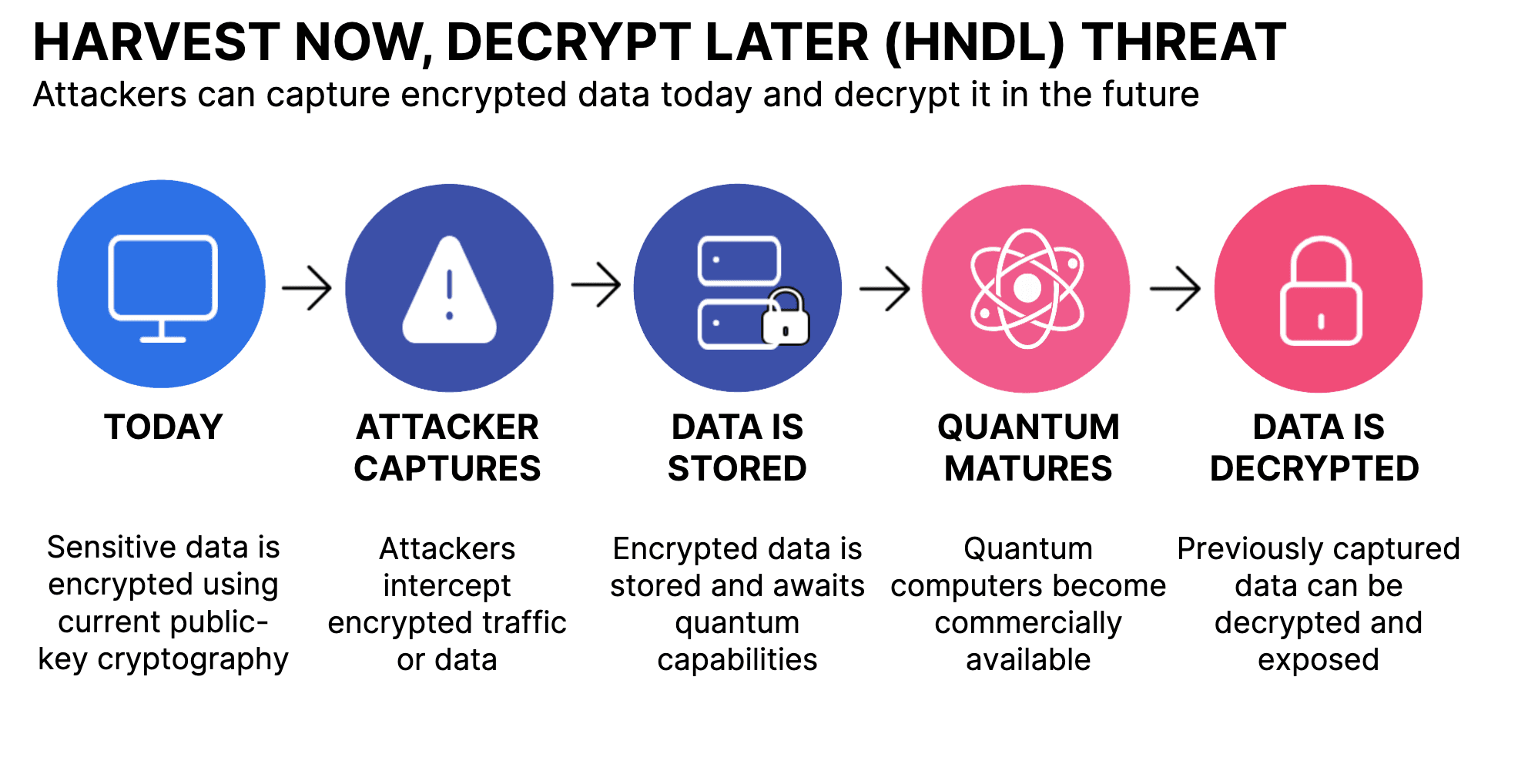
Fig. 1: The sequence of events as they relate to the Harvest Now, Decrypt Later Threat.
Large institutions have already begun their journey toward post-quantum transition preparedness to protect long-lived sensitive assets. Due to the sheer scale of cryptography usage that may spread across a complex web of hybrid IT infrastructure, enterprises should make a concerted effort focused on post-quantum cryptography (PQC) readiness to effectively implement PQC and withstand potential quantum threats now and in the future.
Cryptographic controls are embedded throughout applications, certificates, machine identities, APIs, infrastructure, and third-party services. Without visibility into these dependencies, organizations cannot effectively assess quantum risks, prioritize remediation efforts, and become PQC-ready.
» The importance of discovery and analysis
Organizations cannot assess risks without first gaining visibility into the usage of cryptographic assets. HashiCorp recommends organizations begin with a structured discovery and assessment process focused on:
· Identifying cryptographic asset usage across infrastructure and applications
· Discovering usage of RSA, ECC, and other weak quantum-vulnerable algorithms
· Mapping cryptographic dependencies and trust relationships
· Assessing the lifetime value of the data secured with current cryptography
· Prioritizing systems susceptible to HNDL threats
This may sound like a reasonable idea, but how should an enterprise go about the discovery process? Manual asset discovery across the enterprise would be untenable because of scale. To address this, organizations can use solutions such as IBM Guardium Explorer to accelerate discovery and analysis with automated tools to gain visibility into cryptographic assets, dependencies, and algorithms used across the enterprise IT infrastructure.
These tools help security teams answer foundational questions:
Where is cryptography being used?
Which applications rely on quantum-vulnerable algorithms?
Which certificates and trust relationships require modernization?
Which systems protect long-lived sensitive data?
Where should migration efforts be prioritized?
»The objective is not immediate migration
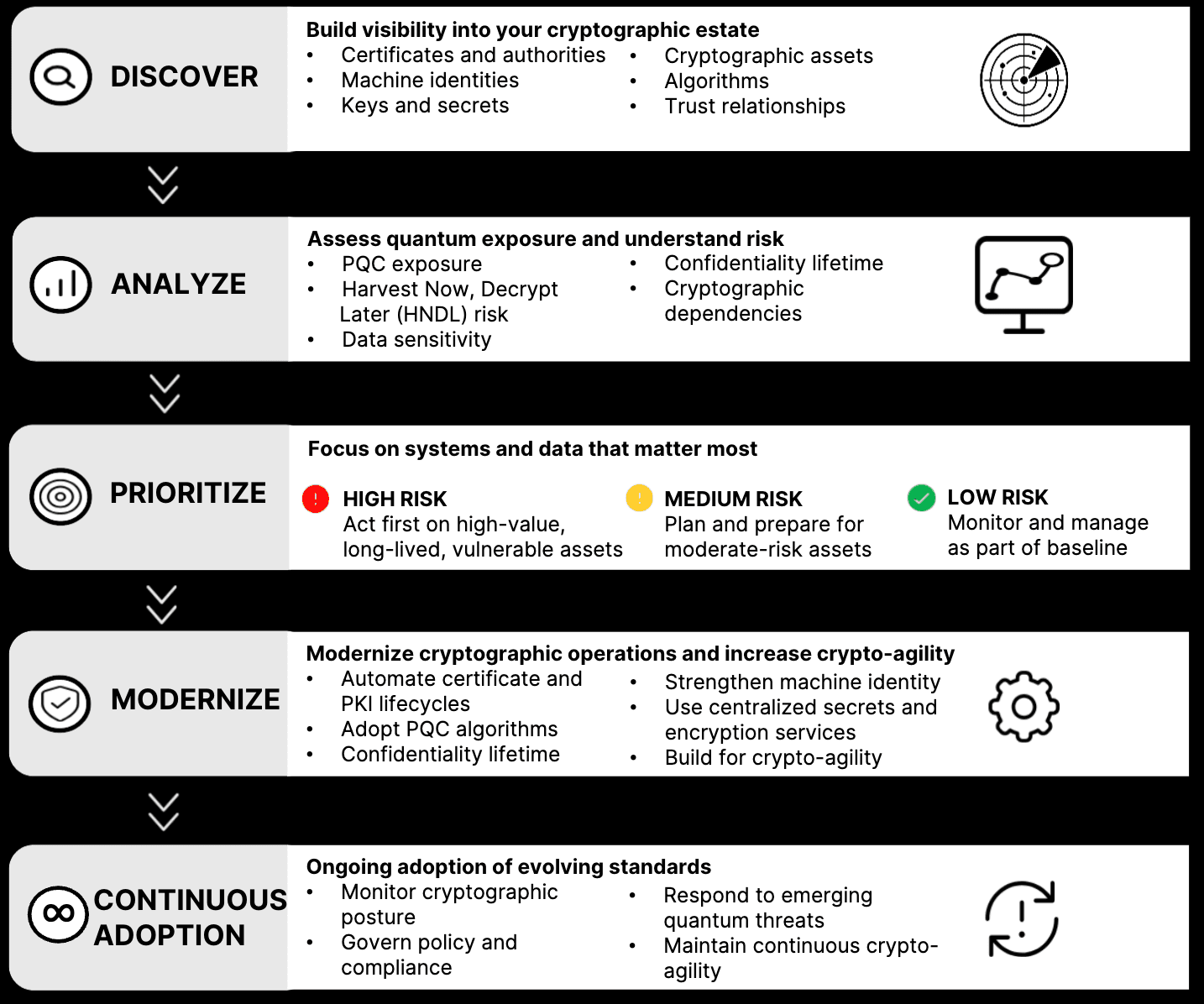
Fig. 2: Take a crawl, walk, and run approach to build a realistic plan for post-quantum readiness.
The objective is to establish a risk-based understanding of quantum exposure, so organizations can make informed investment decisions and build a realistic and effective roadmap toward post-quantum readiness. Prioritize and act based on business risk.
Take a crawl, walk, and run approach. Not all data assets face the same level of post-quantum risk. Organizations should prioritize their remediation efforts based on three primary factors of data sensitivity, confidentiality, and quantum risk exposure.
Data sensitivity: What is the business impact if the protected data were exposed?
Examples of sensitive data include:
Intellectual property
Customer information
Financial records
Healthcare data
Government or classified information
Critical infrastructure operational data
Confidentiality: How long must the data remain confidential? Some information loses value within days or months. Other information may need to remain protected for decades.
Quantum risk exposure: Does the system rely on quantum-vulnerable public key cryptography such as RSA or ECC for encryption, key exchange, authentication, digital signatures, or weak symmetric cryptography such as AES 128? The combination of these factors determines the urgency of post-quantum migration planning.
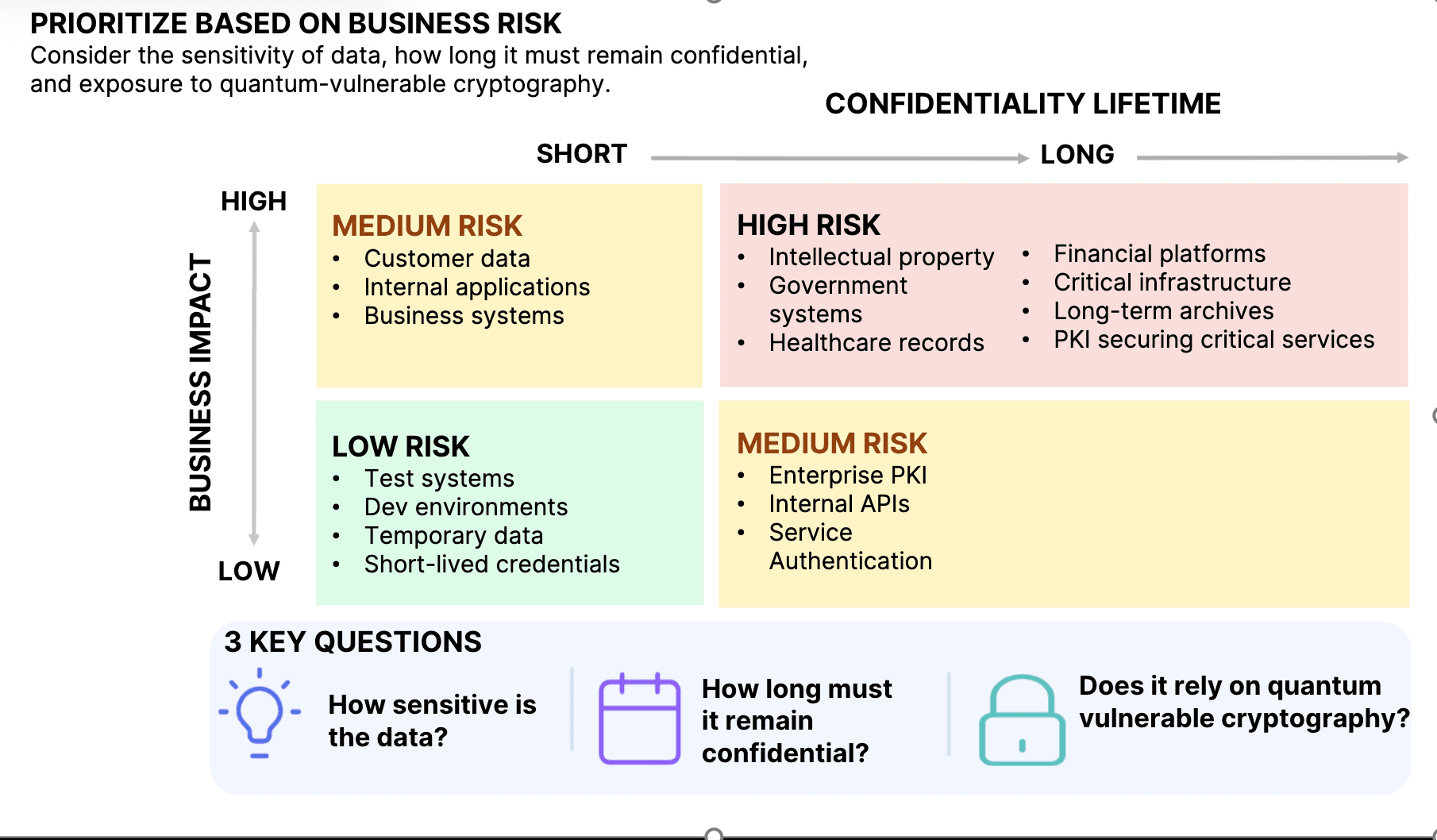
Fig. 3: Organizations need to prioritize the migration of data based on business risk.
»High priority: Act now
Systems that typically protect highly sensitive information that must remain confidential for many years and are therefore most vulnerable to HNDL attacks should be prioritized urgently and immediately.
Characteristics
High business impact if exposed
Long confidentiality requirements (10+ years)
Reliance on quantum-vulnerable cryptography
Attractive targets for nation-state or sophisticated adversaries
For these environments, organizations should begin discovery, inventory, and start migration planning immediately.
»Medium priority: Plan and modernize
Systems may not directly store highly sensitive, long-lived data but frequently underpin enterprise trust relationships and security operations.
Characteristics
Moderate business impact if compromised
Medium-to-long confidentiality requirements
Foundational role in authentication, trust, or communication
Important dependencies for future PQC migration
Organizations should begin evaluating post-quantum alternatives for these systems and develop roadmaps to track and implement PQC-safe alternatives.
»Low priority: Monitor and evaluate
These systems often protect information with relatively short lifetime value and therefore present lower risk. They should still be included in long-term PQC planning.
Consider whether the information and environments have:
Limited business impact from future disclosure
Short confidentiality requirements
Frequently rotated or ephemeral credentials
Data that loses value quickly
»HashiCorp Vault's role in the post-quantum journey
Discovery platforms such as IBM Guardium Quantum Safe Explorer help organizations identify and prioritize cryptographic risks. Once those risks are understood, organizations need a strategy for modernizing cryptographic operations and adapting to evolving standards over time.
Vault helps provide that foundation by centralizing secrets management, encryption, machine identity, and cryptographic services. Rather than serving as a cryptographic discovery platform, Vault helps organizations operationalize the next phase of the journey by centralizing secrets management, encryption, machine identity, and cryptographic services.
Vault provides a foundation for:
Secrets management
Encryption services
Key and certificate lifecycle management
Non-human identity and agentic identity management
Cryptographic operations
Policy-driven governance and access control
These capabilities become increasingly important as organizations begin introducing post-quantum cryptography into their environments.
Vault enables organizations to evolve cryptographic implementations without requiring wholesale redesign of security workflows, supporting broader crypto-agility initiatives across hybrid and multi-cloud environments.
»Vault helps with PQC-readiness
HashiCorp continues to enhance Vault's support for NIST-approved post-quantum algorithms while maintaining a strong security posture across core platform capabilities.
Post-quantum signatures in transit engine
Vault's transit secrets engine supports modern post-quantum signature algorithms, including:
ML-DSA
SLH-DSA
Hybrid signature algorithms
These capabilities enable organizations to begin adopting NIST-standardized, post-quantum digital signature schemes within applications, services, and infrastructure workflows.
As organizations modernize trust models and digital signing processes, Vault transit secrets engine provides a centralized platform for managing these cryptographic operations.
Quantum-resilient data protection - transform secrets engine
Transform secret engine provides support for format-preserving encryption (FPE). FPE performs cryptographically secure transformation to encode input values while maintaining its data format and length. Organizations that use the transform secrets engines to protect sensitive data are becoming equipped with PQC-readiness today.
Strengthening Vault's security foundations
Additional Vault components already leverage cryptographic mechanisms that maintain strong security characteristics in a post-quantum environment, including:
Barrier storage protections
Shamir-based seal mechanisms
AES-256 encryption primitives
As standards mature and protocol-level standards emerge, Vault's overall post-quantum posture will continue to evolve alongside industry best practices and customer requirements.
»The road ahead
The transition to post-quantum cryptography will be one of the most significant cybersecurity transformations of the next decade.
Organizations that wait for quantum computers to arrive before acting are, in effect, accepting a high risk of exposure that ranges from potential sensitive data leakage and loss of intellectual property to broader security and compliance risks.
Discovery creates visibility. Prioritization drives action. Crypto agility enables adaptation. Vault provides the foundations to enable enterprises in their journey toward PQC evolution with confidence. Watch this space to stay informed on how we’re helping our customers with post-quantum cryptography. Then, speak to our team to discuss your post-quantum challenges and understand how you can prioritize and stay secure, especially in the post-quantum era.